Why Nepal Is Becoming Asia's Trail Running Capital
Something is happening in Nepal right now. Something the global trail running community is only just beginning to notice. And if you've spent time on the trails around Pokhara, or if you've been following the results of the past few years, you already know it.
Nepal has always had the mountains. What's changing is everything else around them.
The athletes are now impossible to ignore
In 2025, a 25-year-old woman from the village of Pere, in Jumla in western Nepal, won the World Trail Majors. Not a top 10. Not a podium. She won. Sunmaya Budha crossed the finish line of the Ultra-Trail Cape Town 100km nearly an hour ahead of the second-place finisher, capping a season of five international victories and a silver medal at the World Mountain and Trail Running Championships in Spain.
At those World Championships, held over 82km through the Spanish Pyrenees with more than 5,400 metres of elevation gain, Budha recorded the fastest descent of the day among all women, extending her lead to eight minutes in the final twenty kilometres. A skill built entirely on the steep slopes of Karnali.
But it doesn't stop there. Her sister Ram Maya, from the same village of Pere in Jumla, stepped onto the podium that same weekend in the 50km at Ultra-Trail Cape Town. Two sisters from the same Himalayan village, standing on international podiums on the same day, thousands of kilometres from home. On the men's side, Suman Kulung and Man Kumar Roka Magar both outpaced dozens of European athletes at the World Championships, with ITRA scores of 861 and 824.
This is not a coincidence. This is a generation.
The terrain explains everything
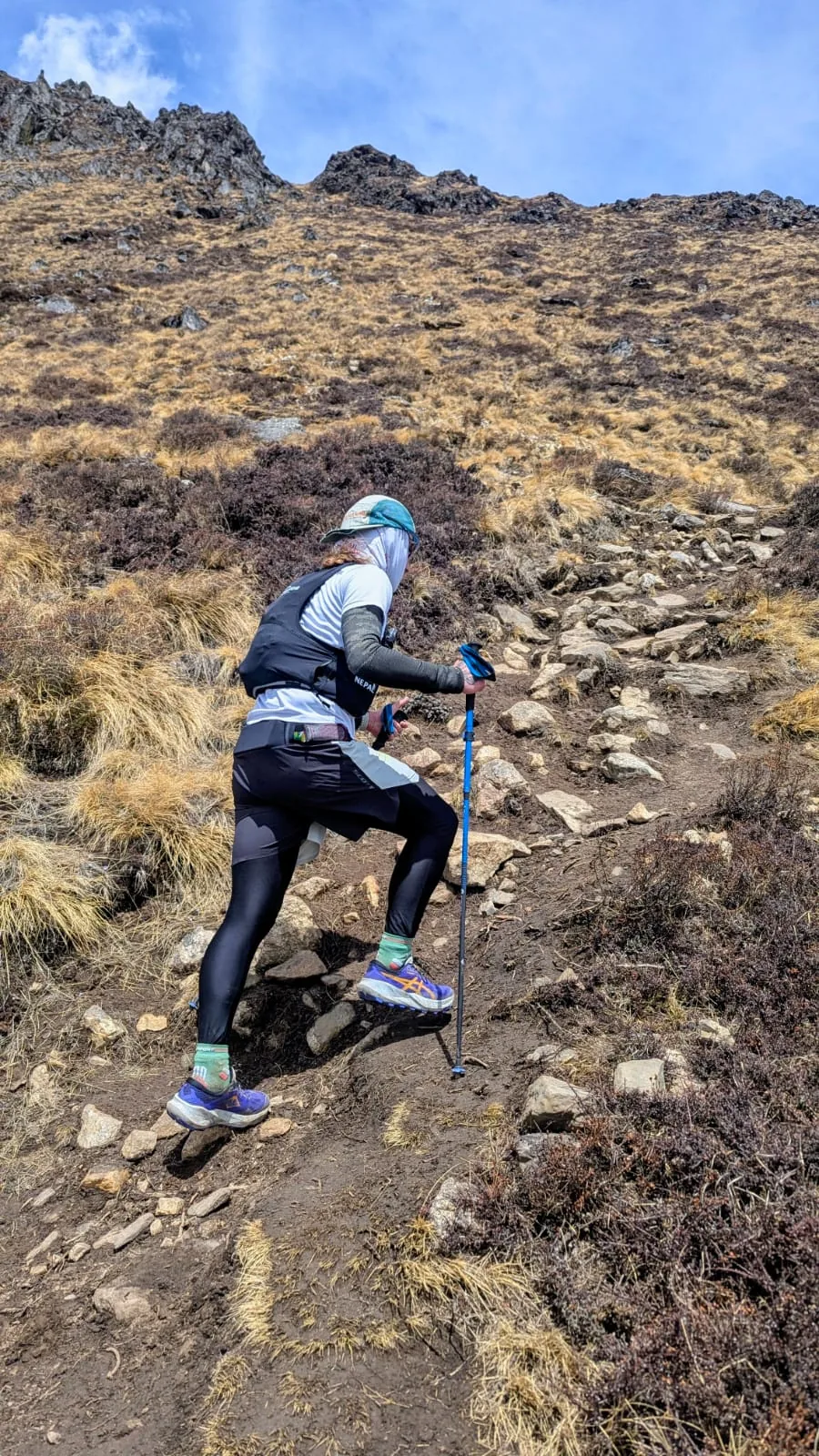
Ask any of these athletes where they learned to descend like that. The answer is always the same: at home. Nepal's trails don't give you a choice. You descend on loose rock, at altitude, at pace, or you don't finish. The technical descending ability that made Sunmaya Budha so dangerous against European competitors in Spain didn't come from a training plan. It came from years of running between villages in the hills of Jumla.
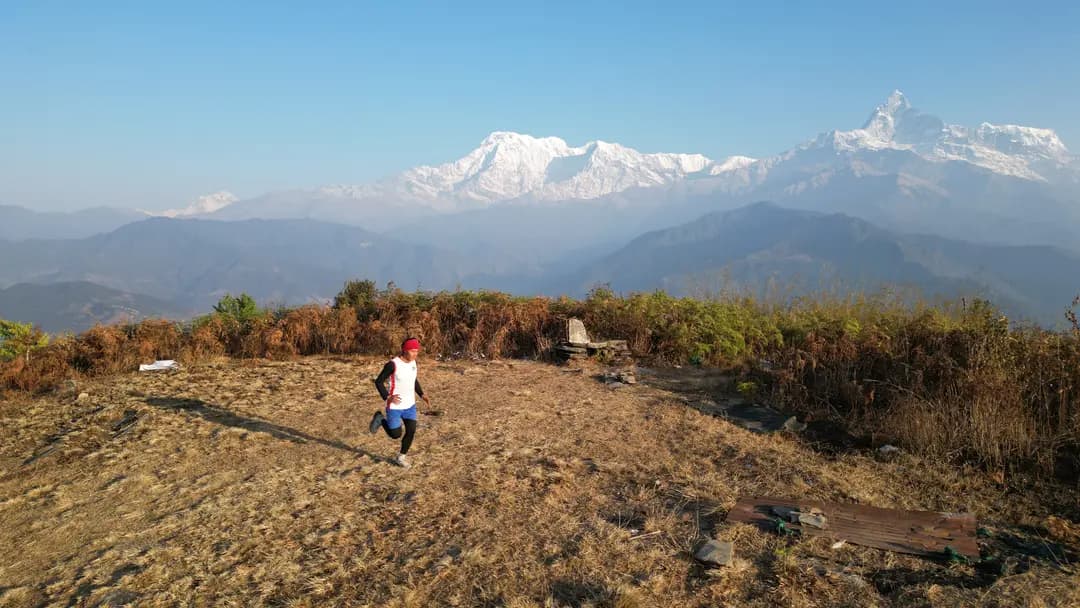
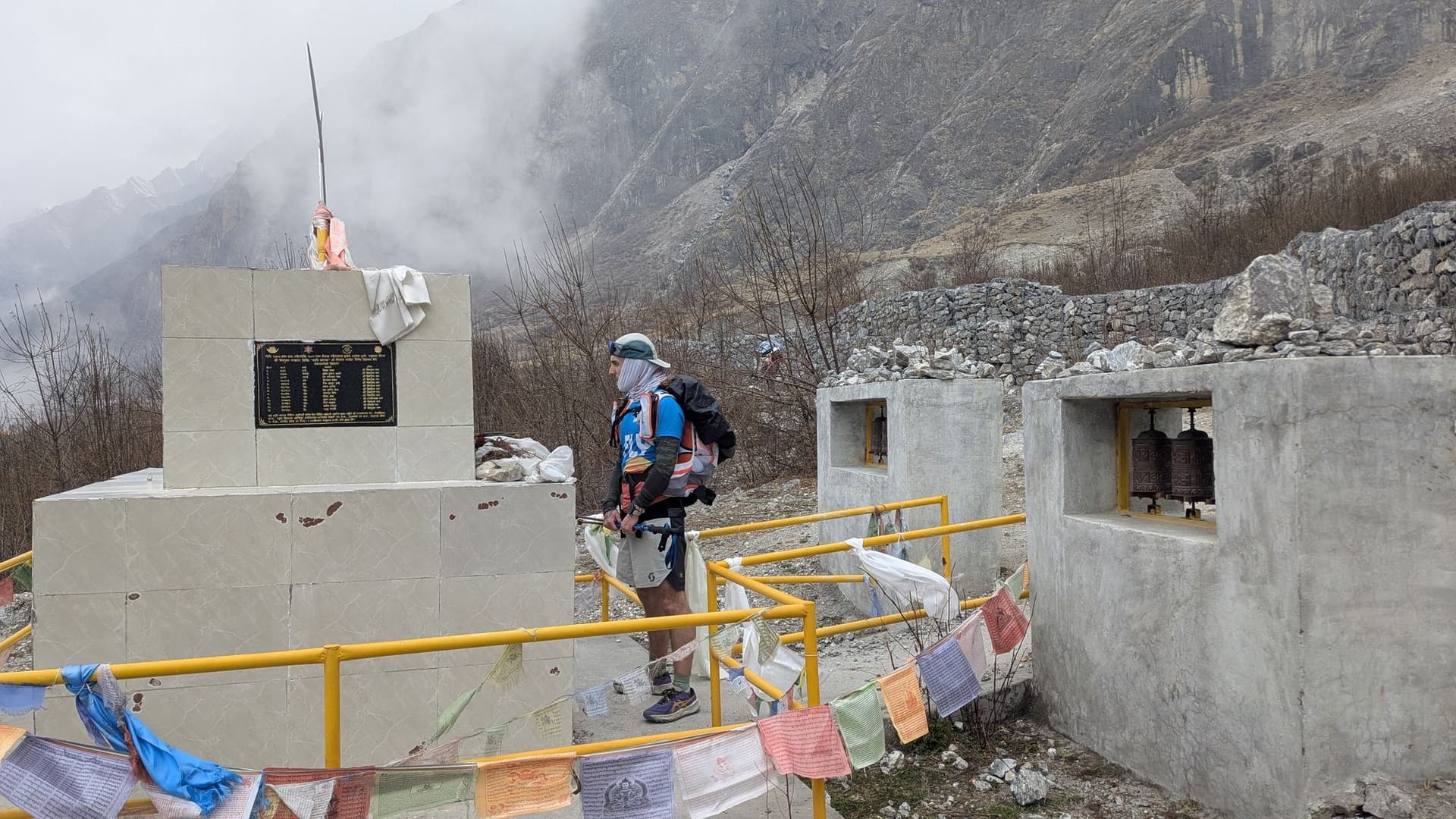
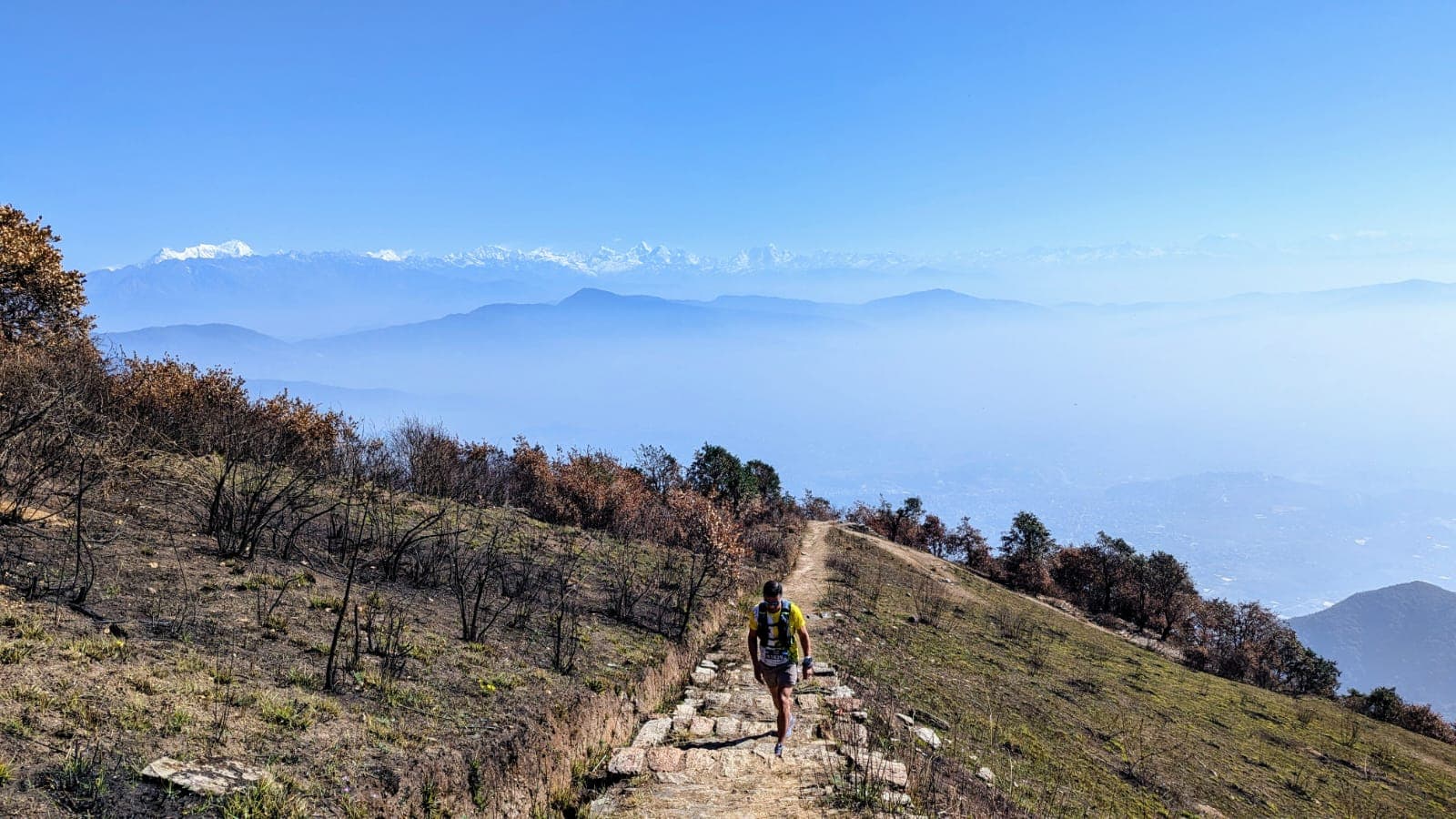
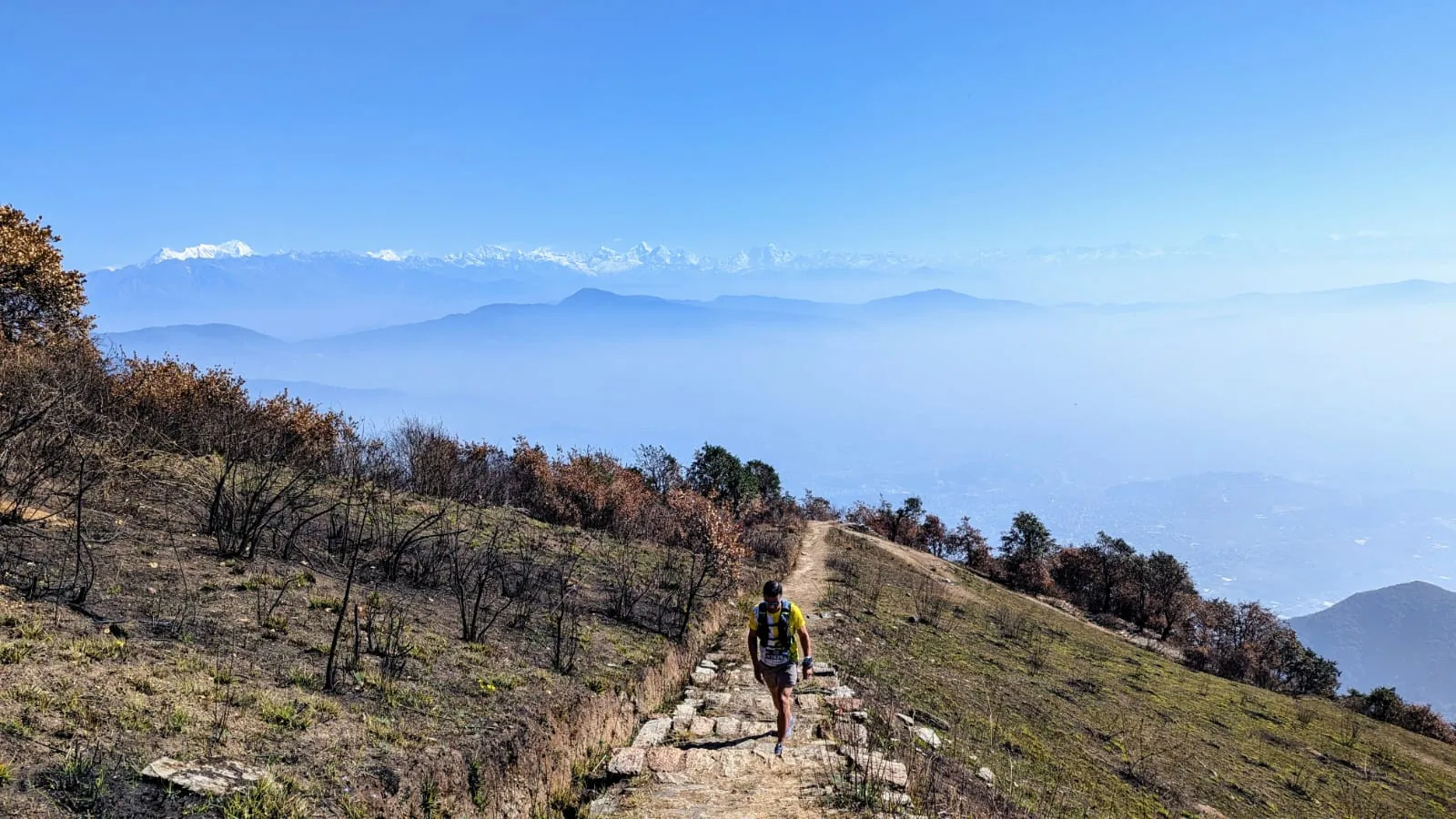
What Nepal offers as a running destination is, quite simply, unmatched in Asia. The variety is extraordinary. From the Annapurna Circuit to Manaslu, from Langtang to the isolated trails of Dhorpatan in the west. You can run at 1,500 metres or at 5,000. You can spend a week in the mountains without crossing the same trail twice. No other country in Asia concentrates this density of terrain within such a small radius.
Two seasons a year
Most mountain destinations give you one window. Nepal gives you two. March to May before the monsoon, October to January after. This isn't just convenient for planning. It means the destination is relevant twice a year for the international running community, exactly when European and North American runners are either building their season or racing their peak events.
A race scene that is exploding
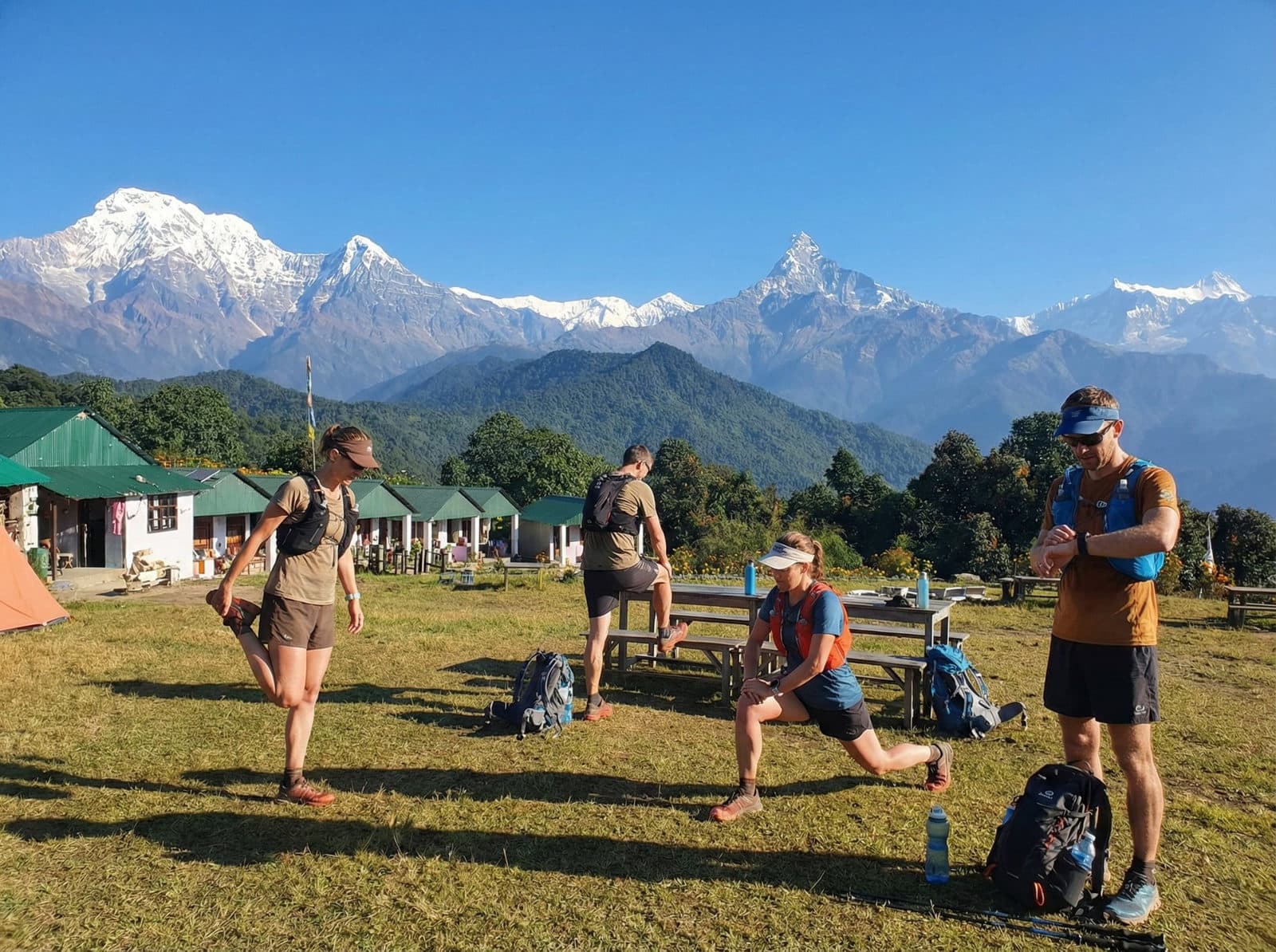
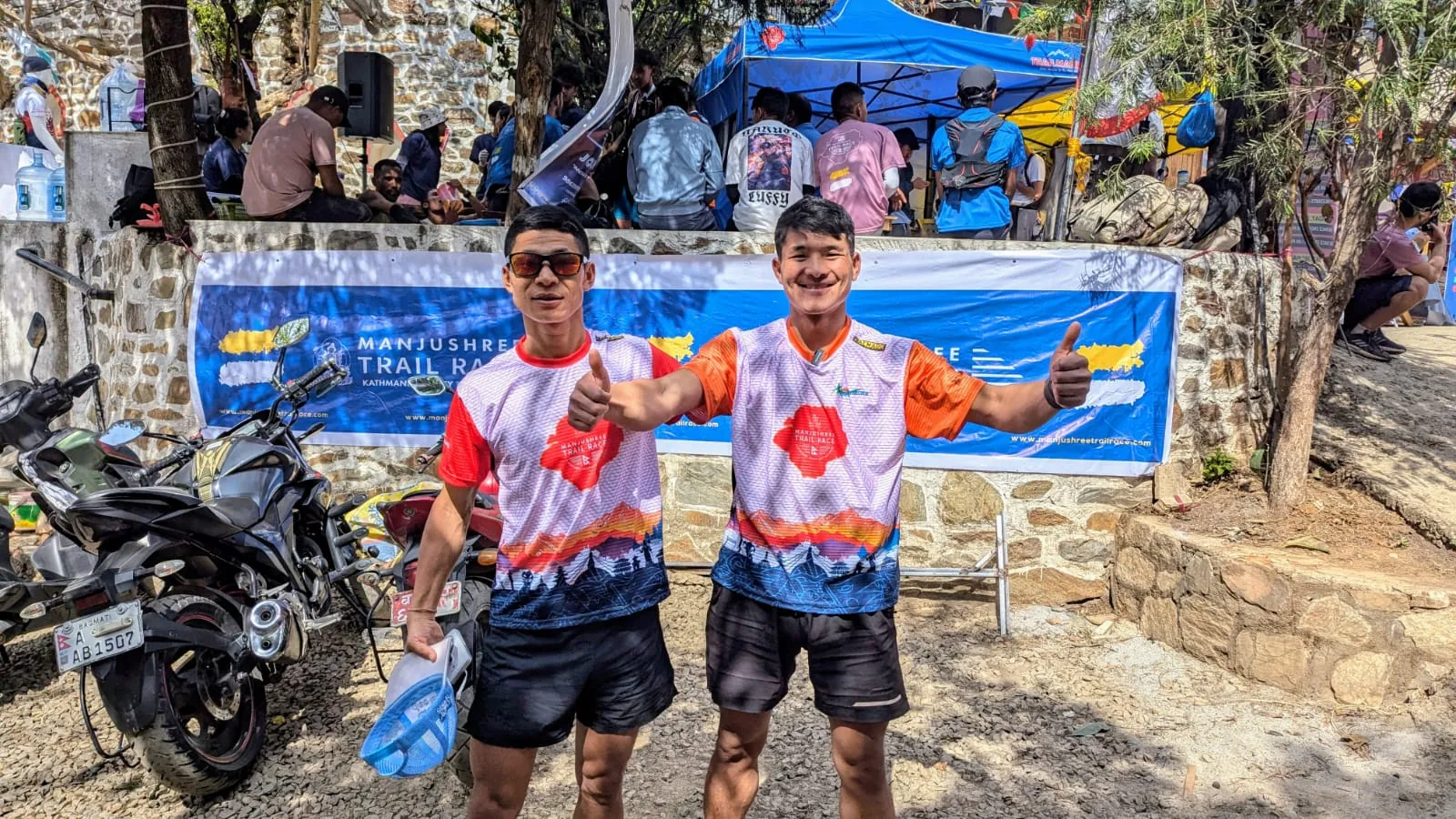
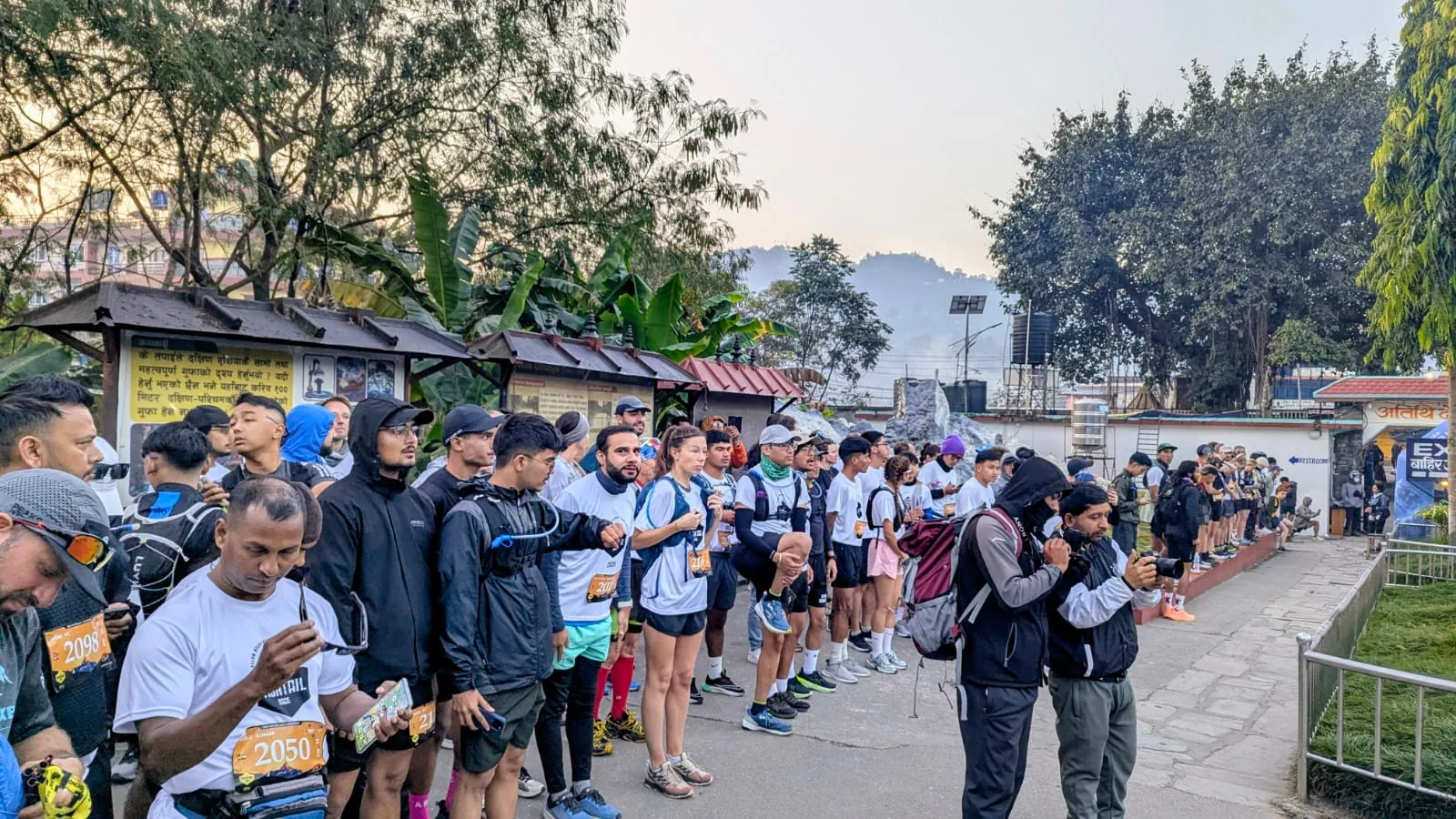
The most concrete sign of a growing ecosystem is the numbers. The Fishtail Race in Pokhara just wrapped up its 6th edition with a record-breaking turnout: more than 275 runners from 27 countries. The Manjushree Trail Race, Nepal's first 100-miler around the Kathmandu Valley rim, grows every year and now offers distances from 24km to 100 miles to welcome all levels. The Pokhara Trail Race Series sells out at every stage of its calendar. Stage races like the Mustang Trail Race and the Manaslu Trail Race fill up season after season. And the Everest Marathon, approaching its 40th anniversary, keeps drawing runners from around the world just as it always has.
But what really says something is what's happening at the grassroots level. Government-organised races like the Budhanilkantha Shivapuri Trail Race in Shivapuri National Park offer entry fees of 100 rupees, less than one euro, with t-shirts, a well-run organisation, and 40,000 rupees in prize money for the winner. This is not a minor event. It's a signal: Nepal has understood that trail running is a lever for development, and it's starting to put money behind it.
A real way out
This movement goes beyond sport. Mira Rai, a pioneer of Nepali trail running and an international icon, founded her own association to train young girls in trail running and open a door to the world for them. What Sunmaya Budha, Mira Rai, and dozens of local runners emerging every season are showing is that trail running is a real way out. Not just to win races. To build a life.
A local scene that is genuinely waking up
What's harder to see from the outside is what's happening on the ground. Trail running in Nepal is no longer just an export product. Preeti Khattri, who leads Nepal's professional trail running contingent, said after the World Championships: "No Asian athletes have ever made it this far." That statement carries weight. But what it reflects is years of grassroots investment — clubs in Jumla, race series in Pokhara, coaches working with young athletes in regions that most people couldn't find on a map.
When I arrived in Nepal a few years ago, trail running was something foreign runners came here to do. Today, it's something Nepali runners do — and win at — on the world stage.
The infrastructure is catching up
Permits are more accessible. Logistics are more reliable. And agencies are now building programmes designed specifically around running, not just trekking with a bit of jogging on the side. The ecosystem that supports a genuine international running destination is taking shape, and it's taking shape fast.
Nepal's moment is not coming. It's here. The question is whether you want to be part of the first wave, or explain later why you waited.