11 Days
We Offer Group Discount
West Nepal

Hotel and Teahouse
Forest & Mountain Trail

Spring & Autumn

Difficult

11 Days

5-6 hours

~51.9 km
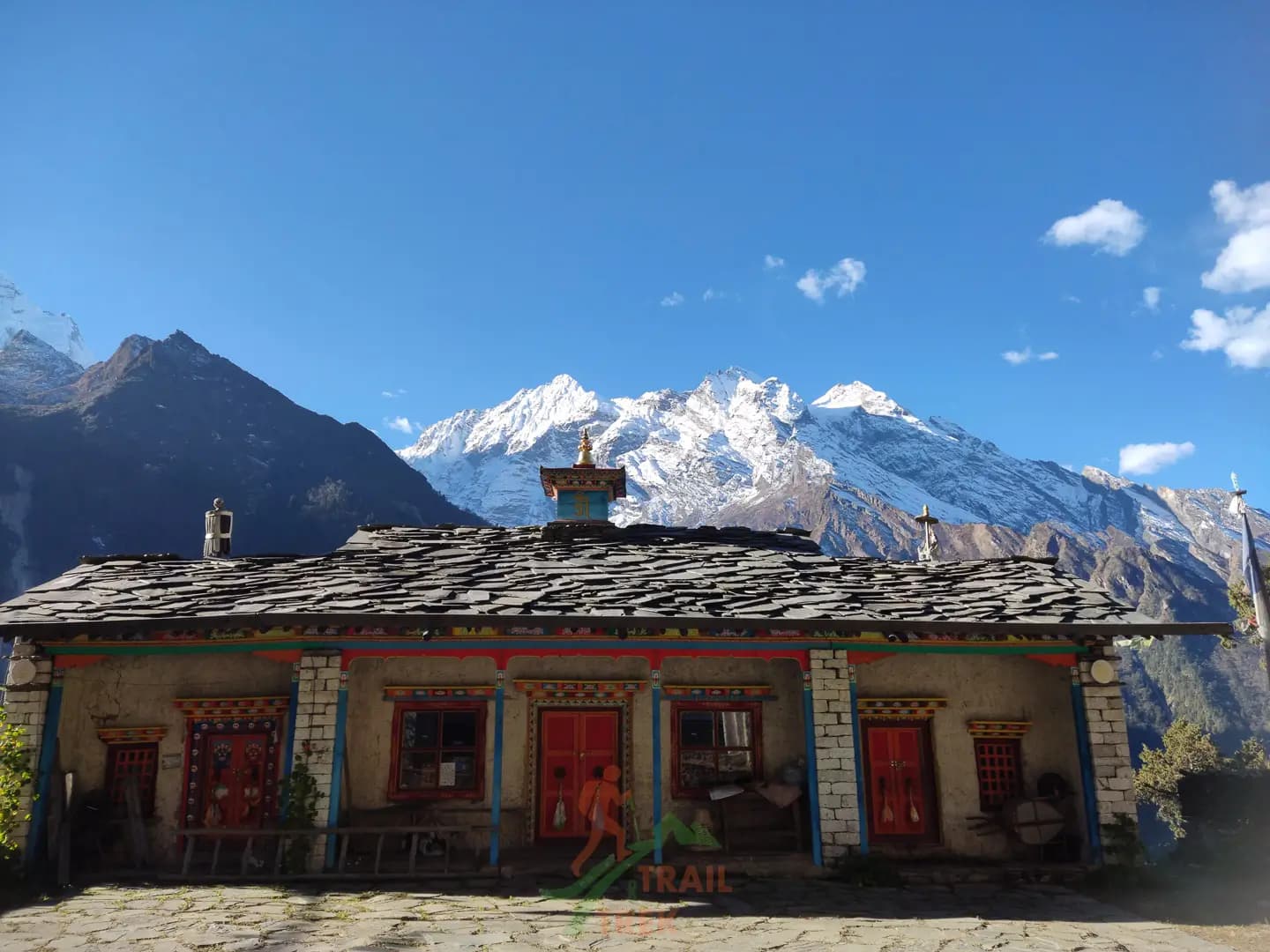
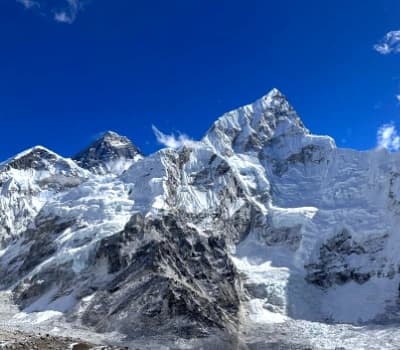
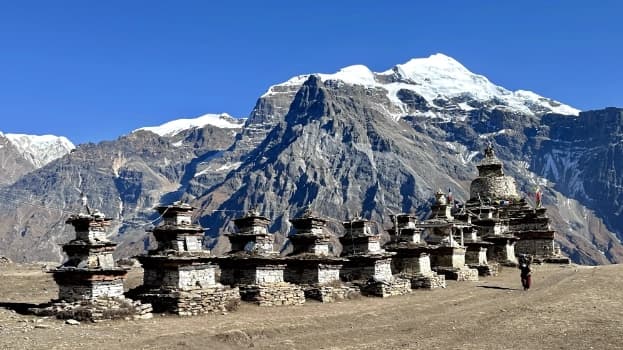
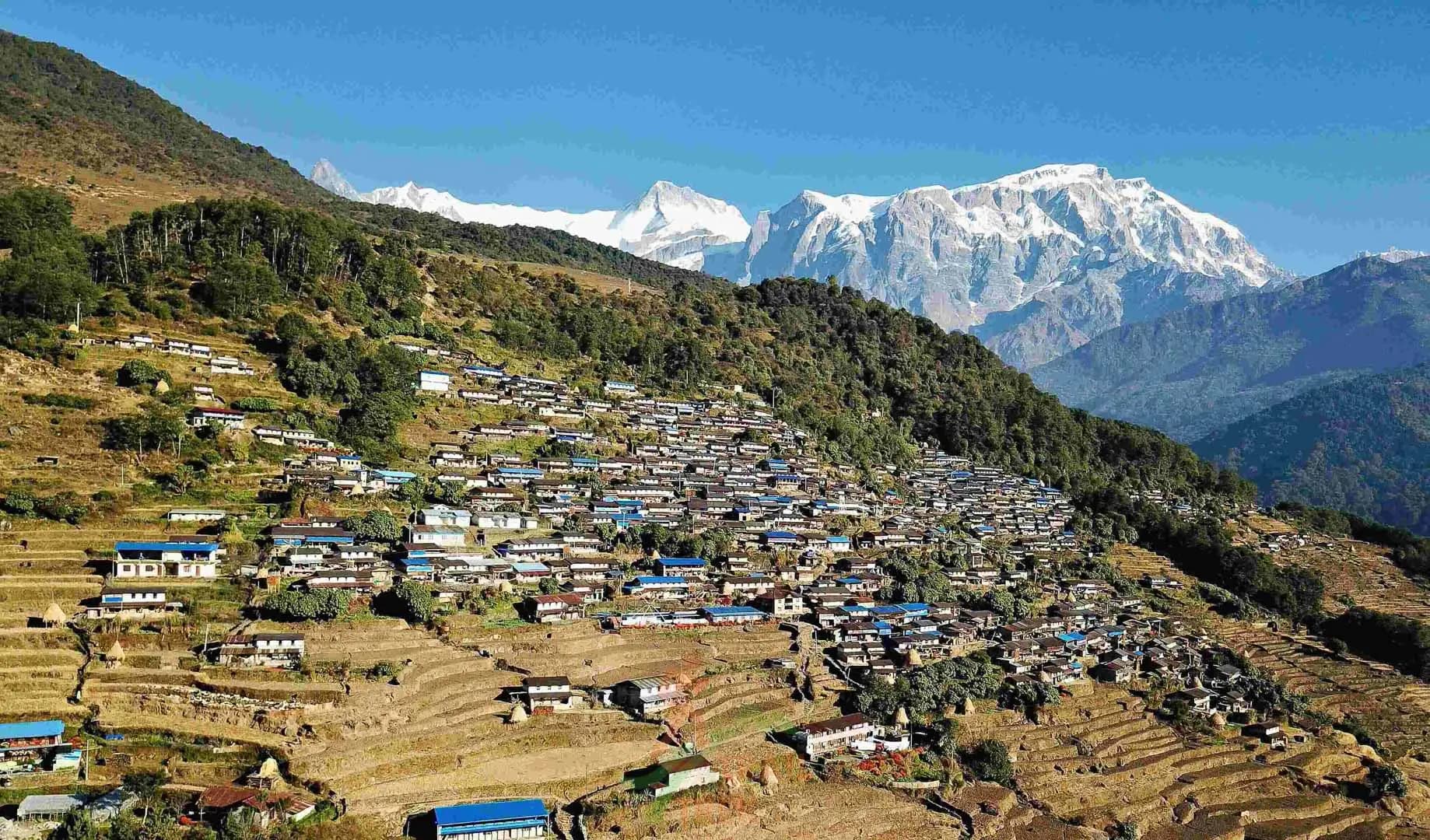
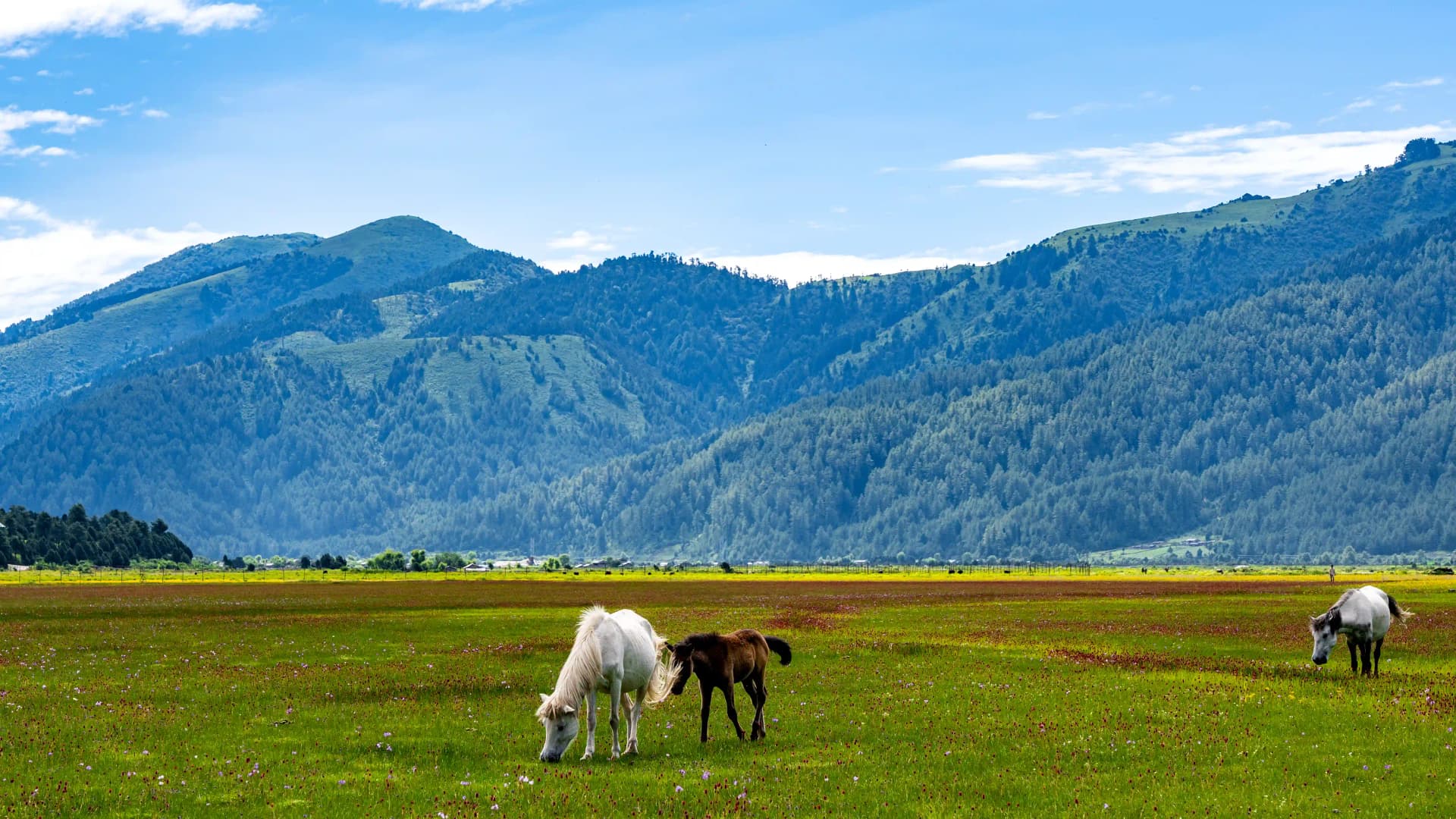
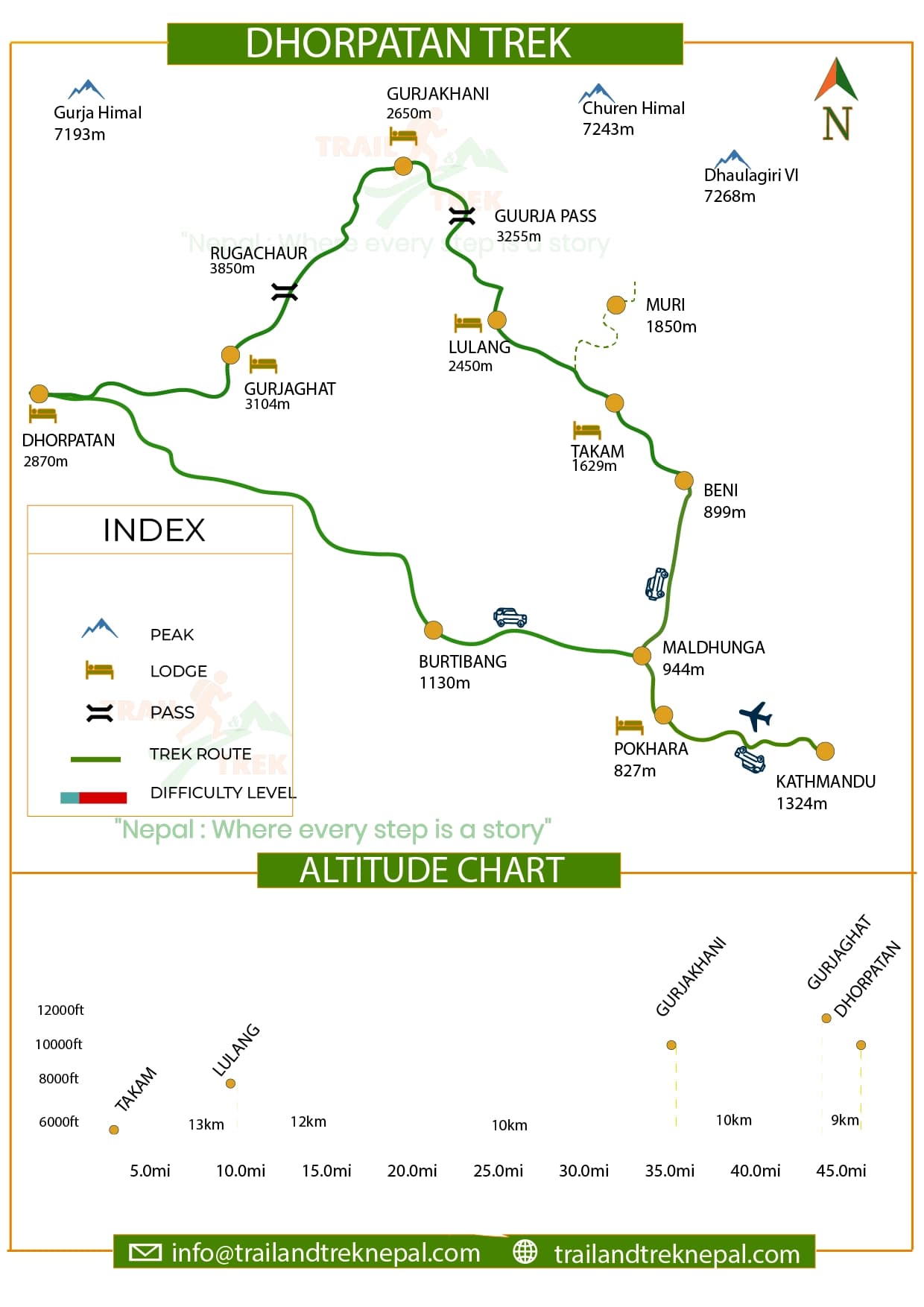
The 11-day Dhorpatan Trek explores Nepal's only hunting reserve across Rukum, Myagdi, and Baglung districts. Covering 1,665m to 3,850m, the trek offers stunning views of the Dhaulagiri and Annapurna ranges, alpine meadows, and rhododendron forests.
Trekkers encounter rare wildlife like blue sheep, Himalayan thar, red pandas, and snow leopards, while experiencing traditional Chhantyal, Magar, and Bishokarma villages. The package includes professional guides, porter support, tea house stays, and tented camps in remote areas.
Day | Route | Altitude | Distance | Duration | Accommodation |
| 1 | Arrival Kathmandu | 1,324m | - | - | Hotel |
| 2 | Kathmandu to Pokhara | 822m | 201km | 6-7 hrs | Hotel |
| 3 | Pokhara to Takam Village | 1,629m | 120km | 5-6 hrs | Teahouse |
| 4 | Takam to Lulang | 2,450m | 13km | 4-5 hrs | Teahouse |
| 5 | Lulang to Gurja Khani | 2,650m | 12km | 4-5 hrs | Teahouse |
| 6 | Gurja Khani to Rugachaur | 3,850m | 9.5km | 6-7 hrs | Tented Camp |
| 7 | Rugachaur to Gurjaghat | 3,015m | 8.4km | 5 hrs | Teahouse |
| 8 | Gurjaghat to Dhorpatan | 2,850m | 9km | 3-4 hrs | Lodge |
| 9 | Dhorpatan to Pokhara | 822m | - | 6-7 hrs | Hotel |
| 10 | Pokhara to Kathmandu | 1,324 m | - | 6-7 hrs | Hotel |
| 11 | Departure | - | - | - | - |
This moderate-to-difficult trek requires a Dhorpatan Hunting Reserve Permit and a TIMS Card, both arranged by your team. The 11-day itinerary starts from Kathmandu and Pokhara, trekking through Takam, Lulang, Gurja Khani, Rugachaur, and Dhorpatan before returning. Daily hikes of 5 to 6 hours on unpaved trails with significant elevation changes make it ideal for experienced trekkers seeking a wildlife-rich, off-the-beaten-path Himalayan adventure.
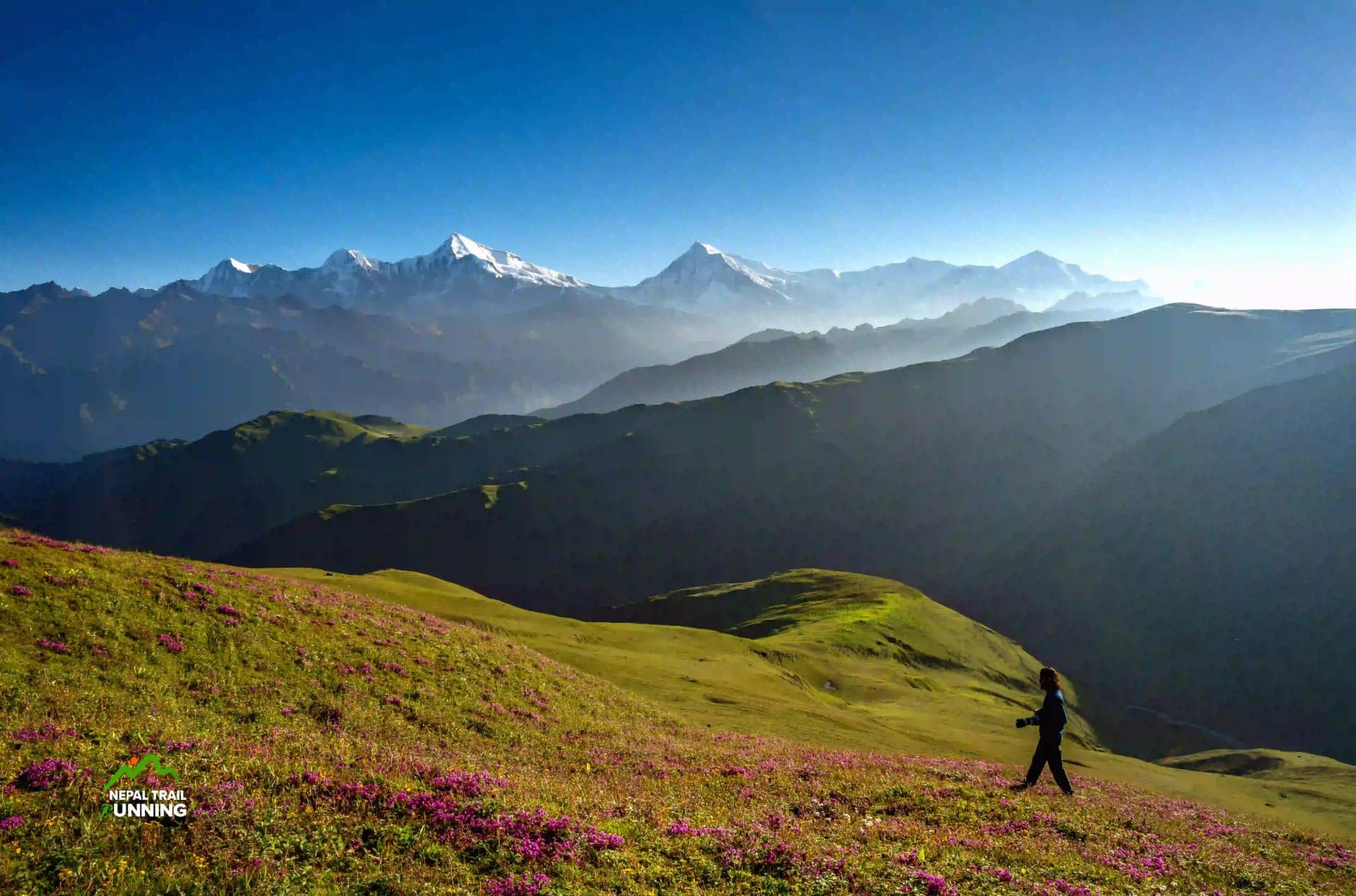
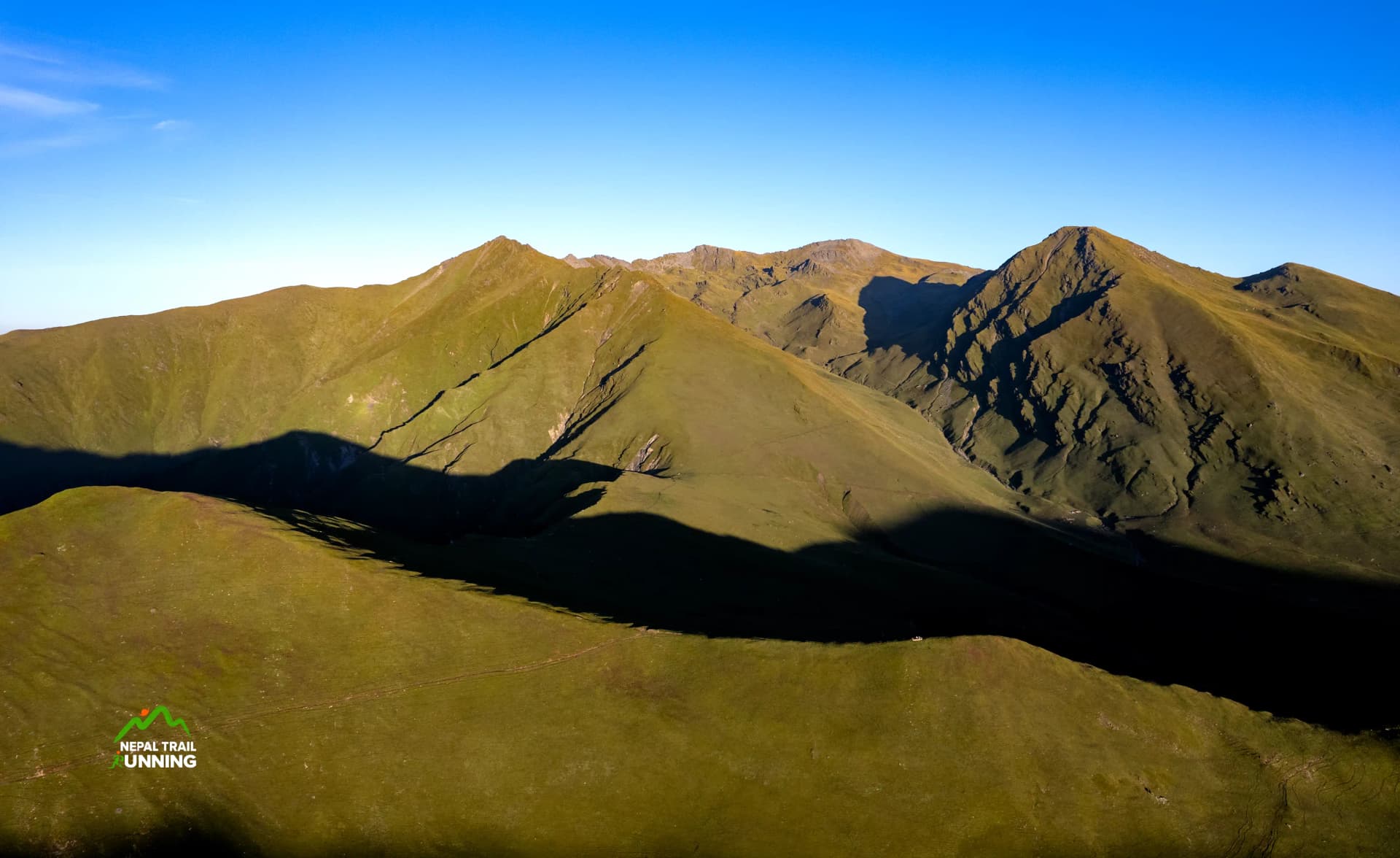
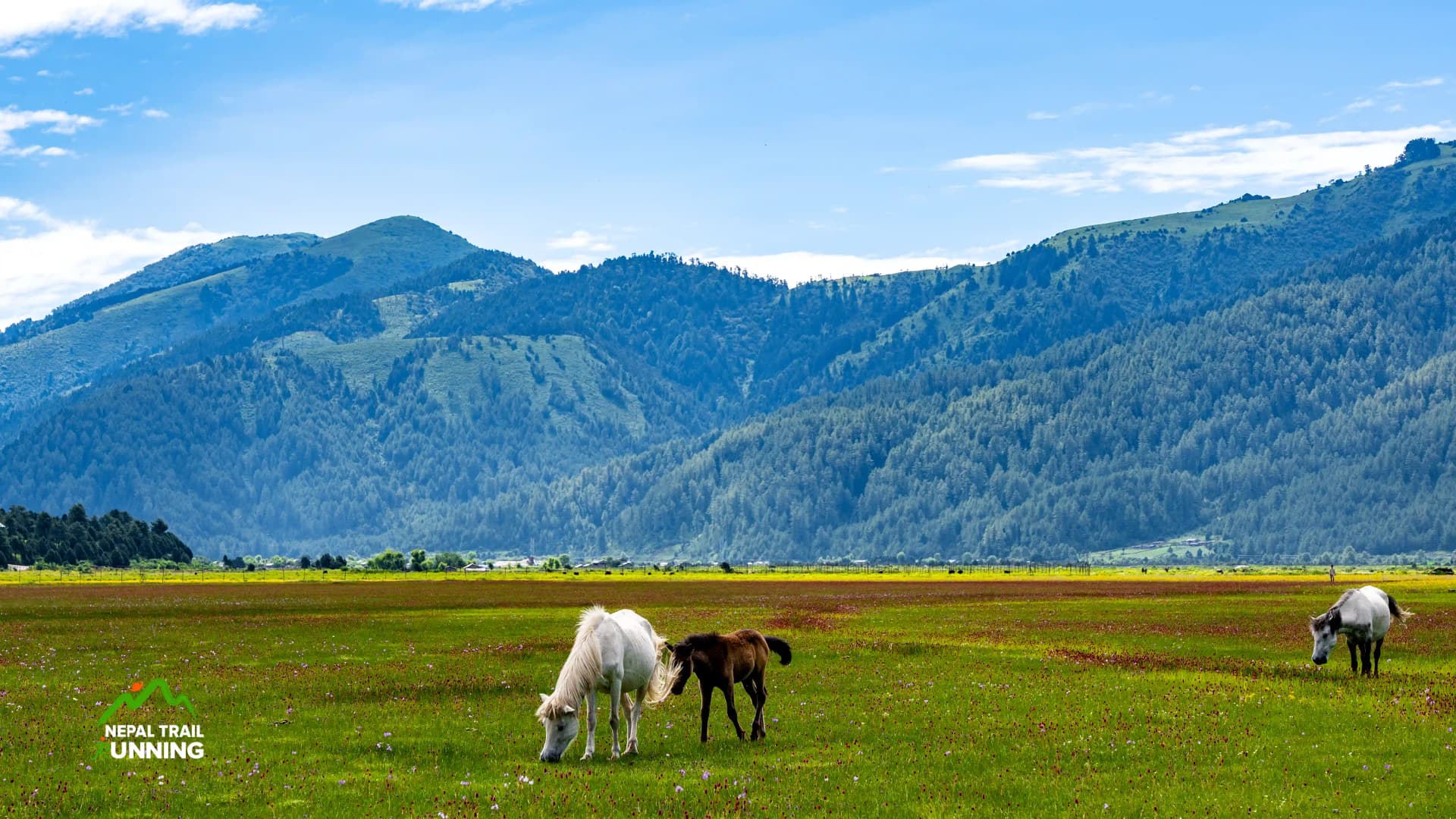
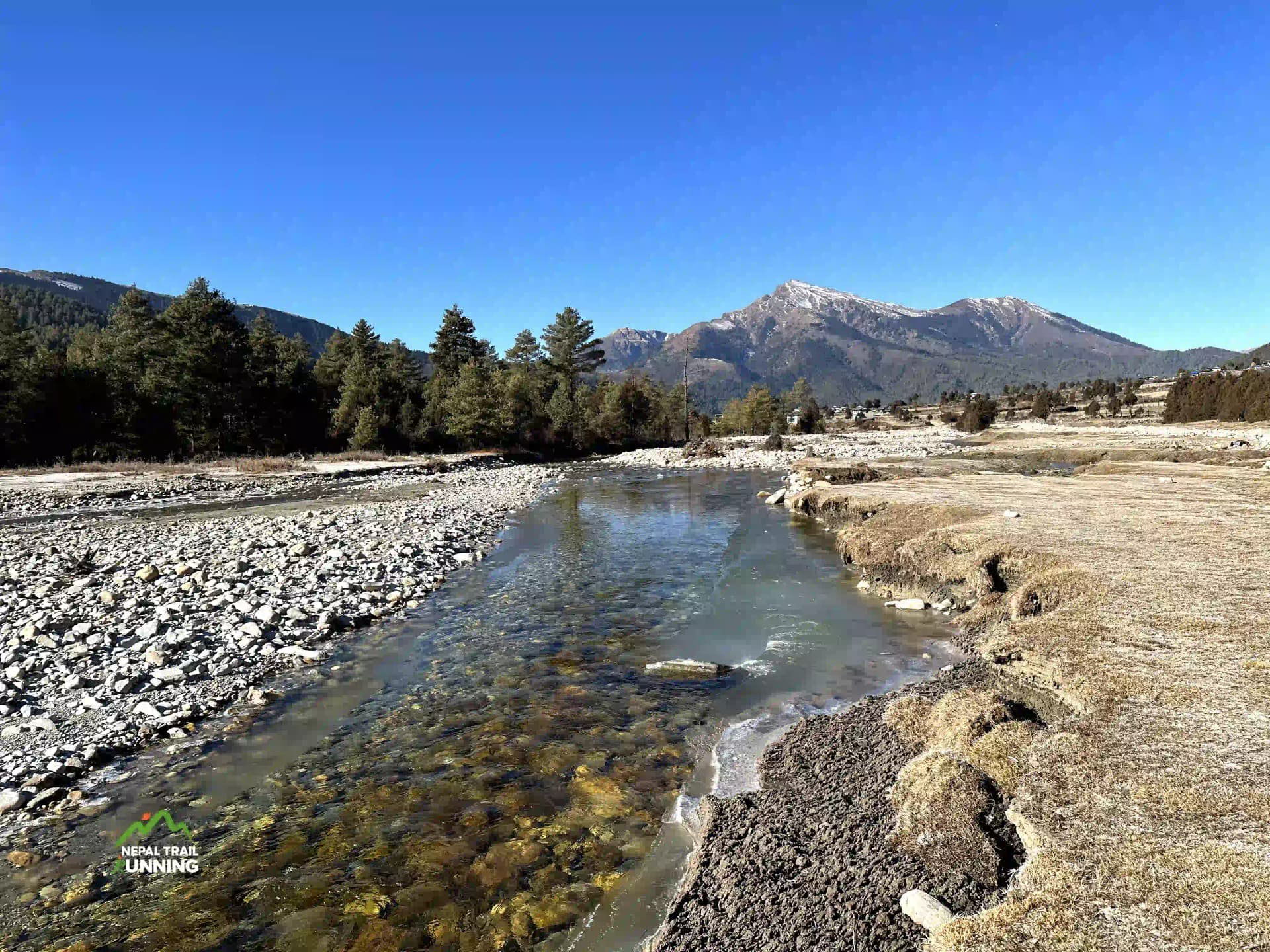
The 6-Day Dhorpatan trek offers an extraordinary journey into Nepal's most remote and pristine wilderness region. This Dhorpatan hunting reserve trek takes you through the country's only hunting reserve, spanning 1,325 square kilometers across Rukum, Myagdi, and Baglung districts in western Nepal. The adventure begins from Takam Village and concludes in Pokhara, covering challenging terrain from 1,629m to 3,850m elevation with daily hiking durations of 4-7 hours.
This Dhorpatan hunting reserve trek provides unparalleled access to pristine Himalayan biodiversity, including blue sheep, Himalayan tahr, snow leopard, and red panda in their natural habitats. The trek combines cultural immersion with the Magar, Chhantyal, and Bishokarma communities alongside spectacular mountain views of the Dhaulagiri and Annapurna ranges. Essential permits include the Dhorpatan Hunting Reserve Permit and TIMS Card, with accommodation ranging from teahouses in villages to tented camps in remote wilderness areas.
The hunting reserve in Nepal offers moderate to difficult trail conditions through unpaved and muddy paths, making it ideal for experienced trekkers seeking authentic off-the-beaten-path adventures. Professional trekking guide and porter team services ensure safety and cultural interpretation throughout this remarkable journey into Nepal's only hunting reserve.
This forest & mountain trail has a difficult difficulty rating. Proper preparation and fitness are essential.
Best season for this adventure is Spring & Autumn. Weather conditions can change rapidly in the mountains.
We'll conduct a pre-trip briefing to discuss the Dhorpatan Trek route, safety guidelines, equipment requirements, and what to expect during your 11 Days adventure.
3 Meals per day, which include Breakfast, Lunch, and Dinner.
Medicines and water purifiers will be provided.
Professional Guide and Potters, their food, accommodation, and insurance, etc.
Permits and any other necessary documents.
Government and service tax.
Any other food/drink should be covered by you, except (3 meals) provided by the company.
Personal equipment
Tips for the Guide and Potter
Additionally, cost due to any unforeseen circumstances, i.e, illness, bad weather, natural calamities, etc.
Any expenses that are not in the included section.
The main concept of fastpacking is to carry lighter bag will help you travel further distance in lesser time. Fastpacking gears helps trekkers to run and walk cover multiple days. By fitting all necessary supplies into a lightweight backpack, you can travel faster and cover greater distances, enabling you to explore more without needing to return to a fixed base each night.
The Dhorpatan trek cost varies based on several factors, including group size, accommodation preferences, and transportation choices. The 9-day itinerary can be customized for different durations based on individual preferences and time constraints.
Group size significantly affects per-person costs, with larger groups receiving better rates. Peak season pricing (October-November and March-April) may be higher than off-season rates. Additional services like helicopter evacuation insurance can be added for enhanced safety.
The comprehensive package covers all essential services for a complete trekking experience. Professional guide and porter team services include their food, accommodation, insurance, and equipment. All necessary permits and documentation are processed professionally.
Personal equipment and gear remain the individual's responsibility. Additional food and beverages beyond included meals are personal expenses. Gratuities for the guide and porter team follow traditional trekking customs.
The Dhorpatan Hunting Reserve protects 32 mammal species, including several endangered and rare animals. Blue sheep and Himalayan tahr represent the most commonly observed large mammals in alpine meadows and rocky terrain.
Elusive predators include the snow leopard, the Himalayan black bear, and various cat species. Endangered species like the red panda and musk deer inhabit dense forest areas. Other mammals include barking deer, wild boar, langur monkeys, and various smaller species.
Bird enthusiasts can observe 130 bird species throughout the diverse ecosystems of the reserve. Notable species include Nepal's national bird, the Danphe (Impeyan Pheasant), various partridge species, and high-altitude raptors.
The diverse habitats from river valleys to alpine zones support varied bird communities. Forest species include various thrush, warbler, and flycatcher species. High-altitude areas host snow partridge, Himalayan snowcock, and other specialized alpine birds.
The reserve showcases diverse vegetation zones from subtropical forests to alpine meadows. Dense forests contain rhododendron, pine, oak, birch, fir, and hemlock species. Spring seasons display spectacular rhododendron blooms, creating colorful forest displays.
High-altitude areas feature valuable medicinal herbs, including the prized Yarsagumba (Cordyceps sinensis). Local communities sustainably harvest various medicinal plants for traditional healing practices. Alpine meadows provide grazing areas for both wildlife and domestic animals.
The Dhorpatan trek rates as difficult due to several challenging factors. Daily hiking durations range from 4-7 hours across varied and demanding terrain. Significant elevation changes from 1,629m to 3,850m require excellent cardiovascular fitness and endurance capabilities.
Trail conditions include unpaved and muddy sections, particularly during the monsoon season. Steep ascents and descents demand strong leg muscles and technical hiking skills. The highest point at Rugachaur (3,850m) introduces altitude-related challenges requiring proper acclimatization.
Previous trekking experience in mountainous terrain is highly recommended. Multi-day hiking background helps prepare for consecutive days of physical demands. Basic knowledge of altitude effects and prevention measures enhances safety and enjoyment.
Physical fitness preparation should begin several months before departure. Focus on cardiovascular endurance, leg strength, and core stability training. Practice hiking with a loaded backpack to simulate actual trek conditions.
The trek provides exceptional opportunities for cultural exchange with indigenous mountain communities. The traditional Magar community dominates lower elevation villages with their rich martial heritage and agricultural practices.
In Gurja Khani, encounter the unique Chhantyal and Bishokarma communities with distinct languages and cultural traditions. These ethnic groups maintain traditional lifestyles, including blacksmithing, traditional farming, and sustainable forest resource utilization.
Experience authentic Dal-Bhat (cooked lentils and boiled rice) meals prepared by local families using traditional cooking methods. Learn about medicinal herb collection and traditional healing practices passed down through generations. Observe traditional weaving, crafts, and daily life activities in remote mountain villages.
Respect local customs and traditions while enjoying these authentic cultural experiences. Photography opportunities capture traditional lifestyles and scenic village settings throughout the Dhaulagiri region.
The best seasons for the Dhorpatan trek are Spring (March-May) and Autumn (September-November). These periods provide ideal weather conditions with clear skies, moderate temperatures, and excellent mountain visibility.
Spring seasons showcase blooming rhododendrons and other wildflowers, creating spectacular forest displays. Autumn offers crystal-clear mountain views and stable weather patterns following the monsoon season. Both seasons provide comfortable temperatures for intensive trekking activities.
Monsoon season (June-September) brings heavy rainfall, making unpaved trails muddy and challenging. Limited visibility and increased landslide risks make this period unsuitable for trekking. Winter months (December-February) feature cold temperatures and potential snow at higher elevations.
Plan your trek during optimal weather windows for the best experience and safety. Seasonal variations affect wildlife behavior, vegetation displays, and overall trek conditions throughout the Himalayan region.
The trek provides exceptional opportunities for cultural exchange with indigenous mountain communities. The traditional Magar community dominates lower elevation villages with their rich martial heritage and agricultural practices.
In Gurja Khani, encounter the unique Chhantyal and Bishokarma communities with distinct languages and cultural traditions. These ethnic groups maintain traditional lifestyles, including blacksmithing, traditional farming, and sustainable forest resource utilization.
Experience authentic dal bhat meals prepared by local families using traditional cooking methods. Learn about medicinal herb collection and traditional healing practices passed down through generations. Observe traditional weaving, crafts, and daily life activities in remote mountain villages.
Respect local customs and traditions while enjoying these authentic cultural experiences. Photography opportunities capture traditional lifestyles and scenic village settings throughout the Dhaulagiri region.
The best seasons for the Dhorpatan trek are Spring (March-May) and Autumn (September-November). These periods provide ideal weather conditions with clear skies, moderate temperatures, and excellent mountain visibility.
Spring seasons showcase blooming rhododendrons and other wildflowers, creating spectacular forest displays. Autumn offers crystal-clear mountain views and stable weather patterns following the monsoon season. Both seasons provide comfortable temperatures for intensive trekking activities.
Monsoon season (June-September) brings heavy rainfall, making unpaved trails muddy and challenging. Limited visibility and increased landslide risks make this period unsuitable for trekking. Winter months (December-February) feature cold temperatures and potential snow at higher elevations.
Plan your trek during optimal weather windows for the best experience and safety. Seasonal variations affect wildlife behavior, vegetation displays, and overall trek conditions throughout the Himalayan region.
Due to the remote and challenging nature of the Dhorpatan hunting reserve trek, professional guide and porter team services are essential. Experienced local guides possess extensive knowledge of trail conditions, weather patterns, and emergency procedures.
Professional trekking guide responsibilities include route navigation, safety management, altitude sickness prevention, and cultural interpretation. Porter team handles equipment transport, camp management, and meal preparation in wilderness areas.
All guides hold official licenses from the Nepal government and receive regular training in first aid, rescue procedures, and environmental conservation. Local knowledge includes wildlife behavior, plant identification, and traditional cultural practices.
Porter team members are experienced in high-altitude environments and wilderness camping logistics. The support team enables trekkers to focus on enjoying spectacular scenery and cultural experiences without logistical concerns.
Professional guides monitor all participants for altitude sickness symptoms throughout the trek. The itinerary includes gradual ascent profiles to minimize altitude-related health risks. Emergency descent procedures are established for serious altitude sickness cases.
First aid supplies and basic medical equipment are carried by the guide team. Communication equipment enables contact with rescue services when necessary. Participants receive briefings on altitude sickness recognition and prevention measures.
Comprehensive safety protocols cover various scenarios, including injuries, severe weather, and equipment failures. Emergency evacuation procedures are coordinated with local rescue services and helicopter operators when required.
Weather monitoring helps avoid dangerous conditions during high-altitude sections. Group management ensures no participants trek alone on remote trail segments. Regular health checks monitor participant welfare throughout the journey.
Begin physical preparation several months before departure to ensure adequate fitness levels. Focus on cardiovascular endurance through regular hiking, running, or cycling activities. Strength training should emphasize leg muscles, core stability, and overall endurance.
Practice hiking with a loaded backpack to simulate trek conditions. Gradually increase distance and elevation gain during training hikes. Mental preparation for long days and basic accommodation help ensure a positive trek experience.
Consult medical professionals about high-altitude travel and any existing health conditions. Ensure routine vaccinations are current and consider additional immunizations for Nepal travel. Carry personal medications and prescriptions with backup supplies.
Consider travel insurance with emergency evacuation coverage for mountain activities. Altitude sickness prevention medications may be recommended by medical professionals. Dental checkups before departure prevent problems during remote trek sections.